
Introduction
It’s one of the most common mechanisms in the modern world. You use it every day—on your jeans, jackets, bags, and even boots. Yet, most people rarely stop to think about it. The zipper, a seemingly simple device, has a surprisingly complex and fascinating history filled with failed inventions, persistence, and eventual global success.
From its early prototypes in the 19th century to its widespread adoption in fashion and industry, the zipper has revolutionized convenience and design. This is the story of how a small mechanical innovation transformed the way we fasten our clothes—and much more.
Before the Zipper: Hooks, Buttons, and Laces
Before the zipper existed, clothing relied on less efficient fastening methods. Buttons, hooks, clasps, and laces dominated the fashion world for centuries. While functional, these systems had several drawbacks:
- Time-consuming: Buttoning a shirt or lacing boots could take several minutes.
- Limited durability: Buttons could fall off, and laces could fray or break.
- Less secure: Some fastenings didn’t hold tightly under stress.
In the Victorian era, complex clothing designs made dressing even more tedious. People needed a faster, more reliable way to secure garments—especially as industrialization began to speed up everyday life.
The First Attempt: Elias Howe’s Early Design
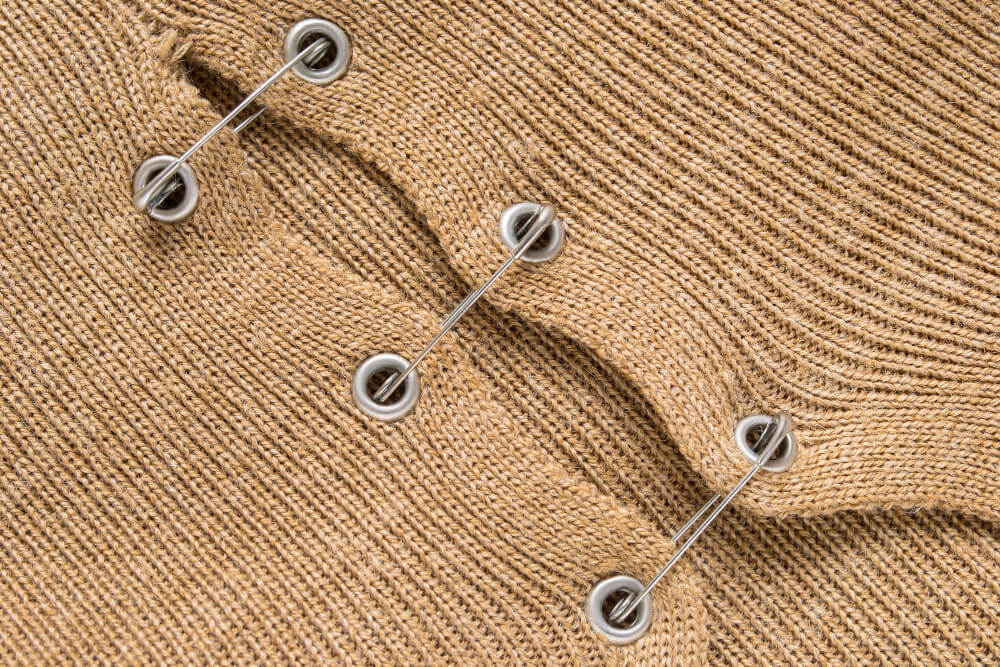
The first known attempt to create something like a zipper came from Elias Howe, the American inventor best known for developing the sewing machine.
In 1851, Howe patented a device called the “Automatic, Continuous Clothing Closure.” While innovative, it never gained traction. Howe was focused on commercializing his sewing machine and didn’t pursue the fastening device further.
As a result, his invention faded into obscurity, leaving the problem unsolved—for the time being.
Whitcomb Judson and the “Clasp Locker”
The next major step came several decades later with Whitcomb L. Judson, an American inventor who is often credited as the “father of the zipper.”
In 1893, Judson introduced a device called the “Clasp Locker” at the World’s Columbian Exposition in Chicago. His invention was designed to help people fasten their shoes more easily.
While the idea was promising, the execution was flawed:
- It was bulky and complicated.
- It frequently jammed or broke.
- It was expensive to produce.
Despite these issues, Judson and his business partner founded the Universal Fastener Company, marking the first commercial attempt to manufacture zipper-like devices.
However, the Clasp Locker failed to achieve widespread success. The world still wasn’t ready—or the invention simply wasn’t good enough yet.
The Breakthrough: Gideon Sundback Perfects the Zipper
The real turning point came with Gideon Sundback, a Swedish-American electrical engineer who improved upon Judson’s design.
In the early 20th century, Sundback redesigned the fastening system to be more reliable and efficient. His key innovations included:
- Interlocking teeth: Instead of hooks and eyes, Sundback used rows of metal teeth that could interlock smoothly.
- Slider mechanism: A small sliding device that could open and close the teeth with ease.
- Increased durability: The new design was stronger and less prone to breaking.
In 1913, Sundback patented his improved version, known as the “Hookless Fastener No. 2.” This design is essentially the blueprint for the modern zipper.
Early Uses: From Boots to Military Gear
Even with Sundback’s improvements, the zipper didn’t immediately become popular in clothing. Instead, it found its first success in more practical applications.
Military Adoption
During World War I, the U.S. military began using zippers in uniforms and gear, particularly in:
- Flight suits
- Money belts
- Protective clothing
Zippers proved to be faster and more reliable than buttons in high-pressure situations, making them ideal for soldiers and pilots.
The Name “Zipper” Is Born
Interestingly, the term “zipper” didn’t come from the inventors. It was coined by the B. F. Goodrich Company in the 1920s.
The company used the fastener in a new type of rubber boot and named it the “Zipper Boot.” The name was inspired by the sound the device made when opened or closed—“zip!”
The catchy name stuck, and soon the term “zipper” became widely used to describe the fastening mechanism itself.
Fashion Resistance and Eventual Acceptance
Despite its practicality, the zipper faced resistance in the fashion world.
Early Skepticism
Many designers initially viewed zippers as:
- Too industrial
- Unrefined compared to buttons
- Unreliable due to earlier failures
Buttons were also associated with tradition and craftsmanship, making them more appealing to high-end fashion designers.
The Turning Point
Everything changed in the 1930s when zippers began appearing in children’s clothing. Parents appreciated how easy they were for kids to use, reducing the need for assistance.
Soon after, fashion designers started experimenting with zippers in adult clothing.
One of the biggest milestones came when French designer Elsa Schiaparelli embraced zippers as both functional and decorative elements in her designs.
This helped legitimize the zipper in the fashion industry.
The “Battle of the Fly”: Zippers vs Buttons
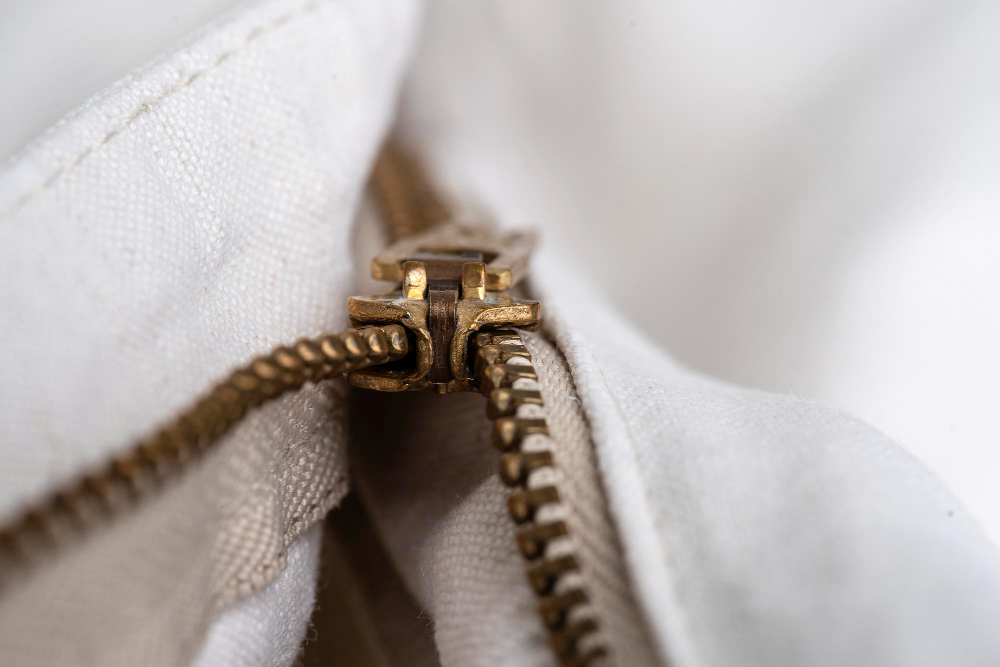
In the 1930s, a marketing campaign known as the “Battle of the Fly” helped push zippers into mainstream menswear.
Zipper manufacturers promoted their product as:
- Faster
- More secure
- Less likely to come undone accidentally
By the late 1930s, zippers had largely replaced buttons in men’s trousers, marking a major shift in clothing design.
Post-War Expansion and Global Adoption
After World War II, the zipper experienced rapid global expansion.
Advances in manufacturing made zippers:
- Cheaper to produce
- More reliable
- Available in different materials (metal, plastic, nylon)
They began appearing in a wide range of products, including:
- Jackets and coats
- Luggage and backpacks
- Tents and outdoor gear
- Upholstery and furniture
The zipper became a universal fastening solution across industries.
Modern Zippers: Innovation and Variety
Today, zippers come in many forms, each designed for specific uses:
Types of Zippers
- Metal zippers: Strong and durable, used in jeans and heavy clothing.
- Plastic zippers: Lightweight and flexible, common in everyday apparel.
- Invisible zippers: Hidden within seams, used in dresses and formal wear.
- Waterproof zippers: Used in outdoor and technical gear.
Technological Improvements
Modern zippers are more advanced than ever, featuring:
- Self-lubricating materials
- Anti-jam designs
- Enhanced durability for extreme conditions
Companies continue to innovate, ensuring the zipper remains relevant in a rapidly evolving world.
Cultural Impact of the Zipper
Beyond its practical uses, the zipper has had a significant cultural impact.
- It symbolized modernity and efficiency in the early 20th century.
- It influenced fashion design, enabling tighter and more complex garments.
- It became a metaphor for speed and convenience in everyday language.
Even today, the zipper represents a perfect blend of simplicity and ingenuity.
Conclusion
The history of the zipper is a story of persistence, innovation, and gradual acceptance. What began as a flawed invention evolved into one of the most essential tools in modern life.
From Elias Howe’s early concept to Gideon Sundback’s breakthrough design, the zipper’s journey reflects the challenges and triumphs of technological progress.
Today, we rarely think about the zipper—but perhaps we should. It’s a reminder that even the smallest inventions can have a massive impact on how we live, dress, and interact with the world.