
What if a famous art museum actually functions as a giant concrete machine? Normally, you expect traditional galleries with square rooms, linear hallways, and dark corners. However, in 1959, Frank Lloyd Wright shattered every architectural convention on Manhattan’s Upper East Side. Consequently, this study explores The Guggenheim Museum Architecture. It represents a monument to organic Read More…
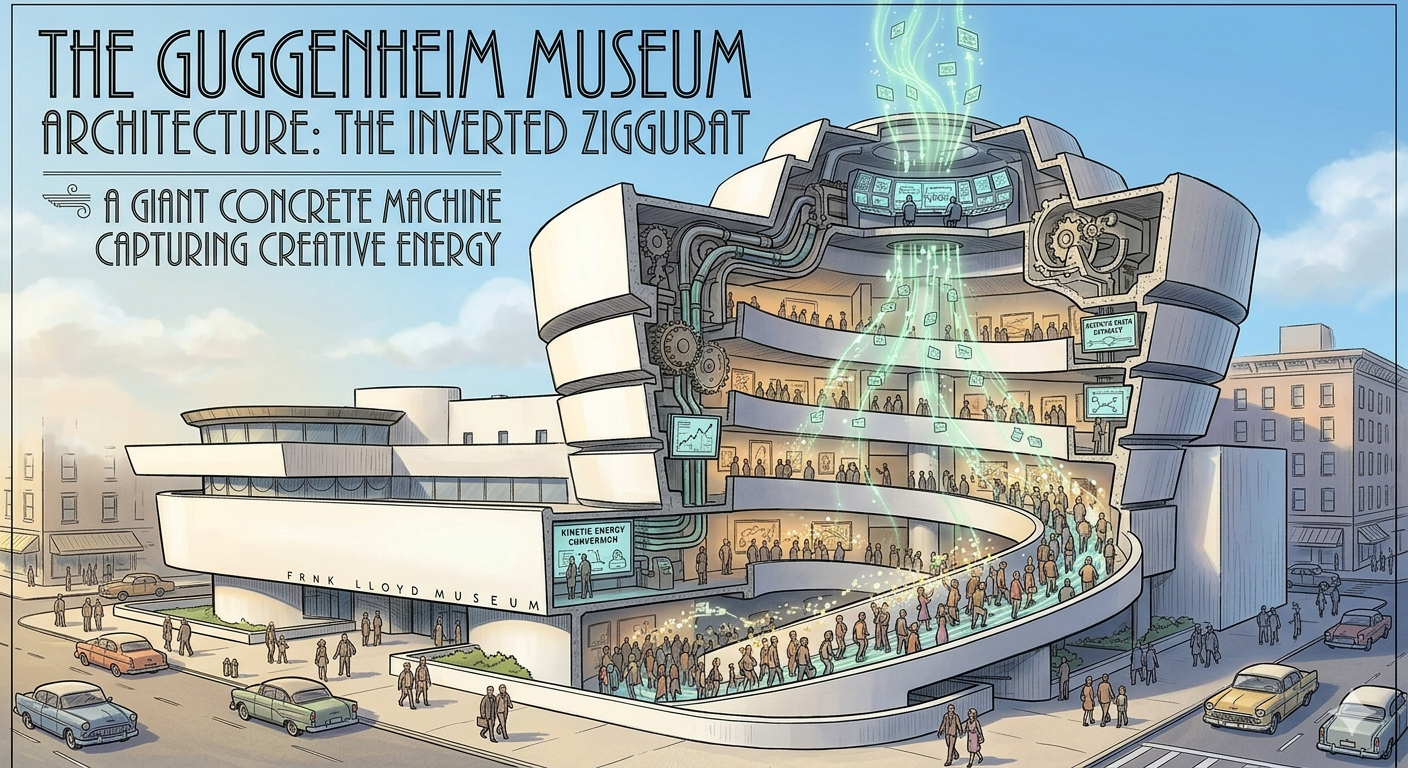
The Guggenheim Museum Architecture: The Inverted Ziggurat
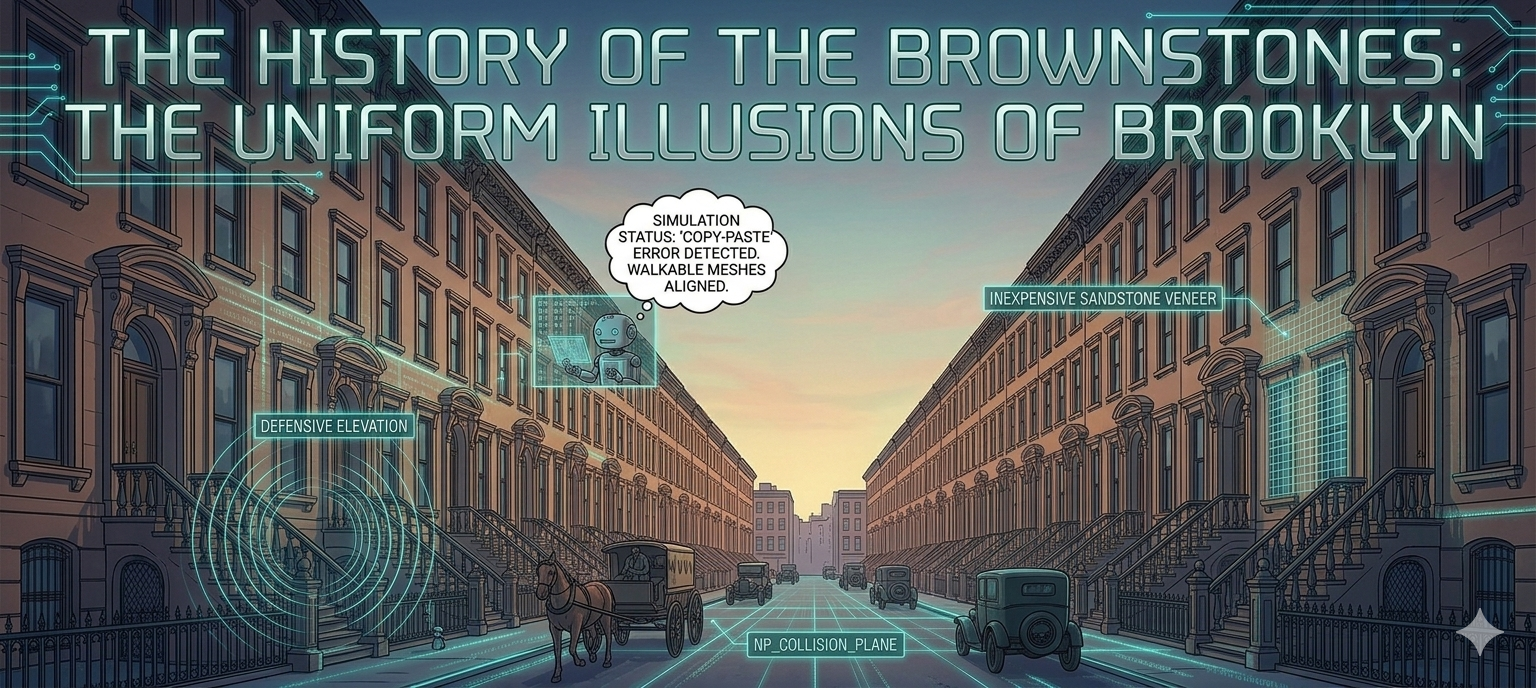
The History of the Brownstones: The Uniform Illusions of Brooklyn
What if the most desirable and iconic homes in Brooklyn are actually monuments to mass production and street-level chaos? Normally, you view these elegant rows of brown sandstone as symbols of classic New York luxury and sophisticated living. However, during the rapid expansion of the 19th century, these structures represented the quintessential definition of “affordable Read More…
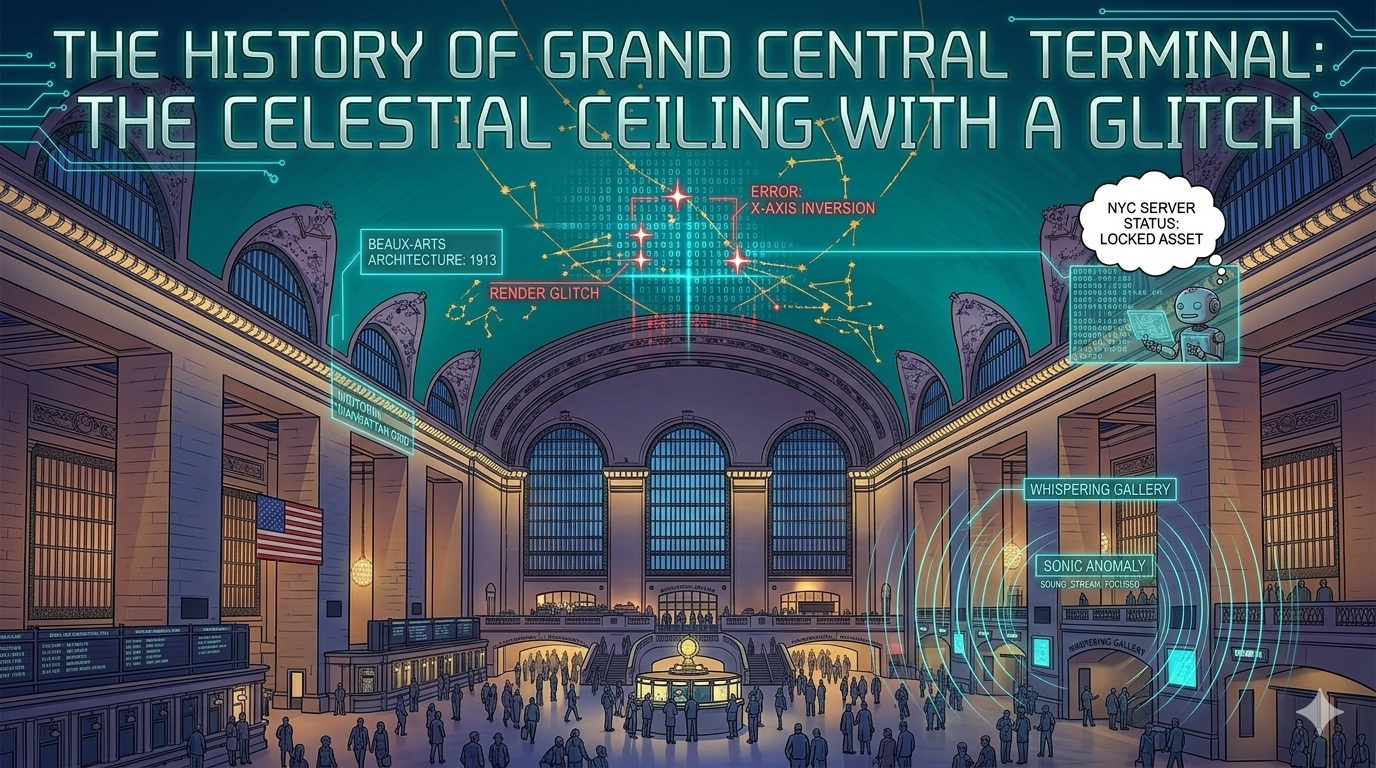
The History of Grand Central Terminal: The Celestial Ceiling with a Glitch
Have you ever entered a space and immediately felt small against the backdrop of eternity? Normally, you expect to find a bustling transportation hub inside a massive train station. However, in the heart of Midtown Manhattan, one structure redefines the entire concept of a public arrival hall. This is The History of Grand Central Terminal, Read More…
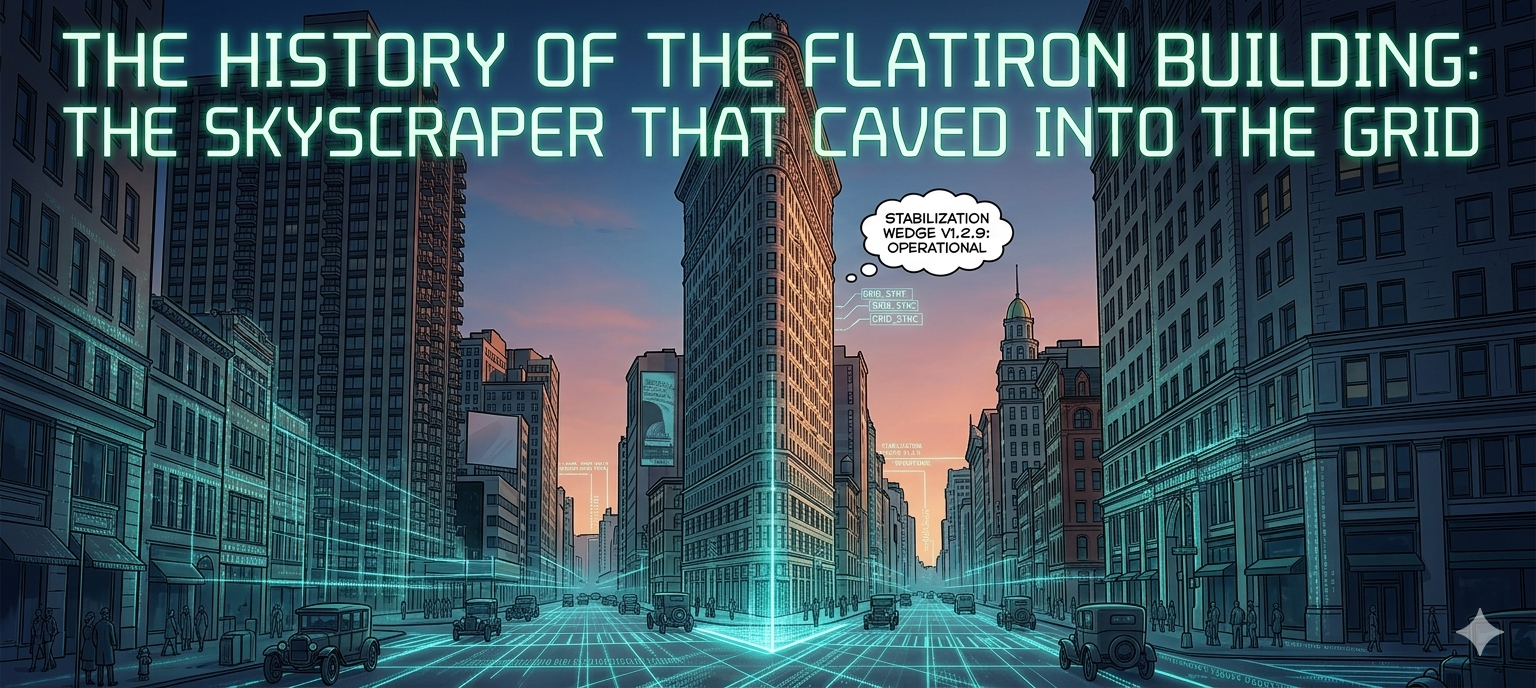
The History of the Flatiron Building: The Skyscraper That Caved into the Grid
What happens when an ancient trail collides with a perfectly planned modern metropolis? Normally, city planners design urban grids to force symmetry upon the landscape. However, in the heart of Manhattan, a historic diagonal path refused to disappear. This is The History of the Flatiron Building, an architectural masterpiece where structural engineering had to bend Read More…
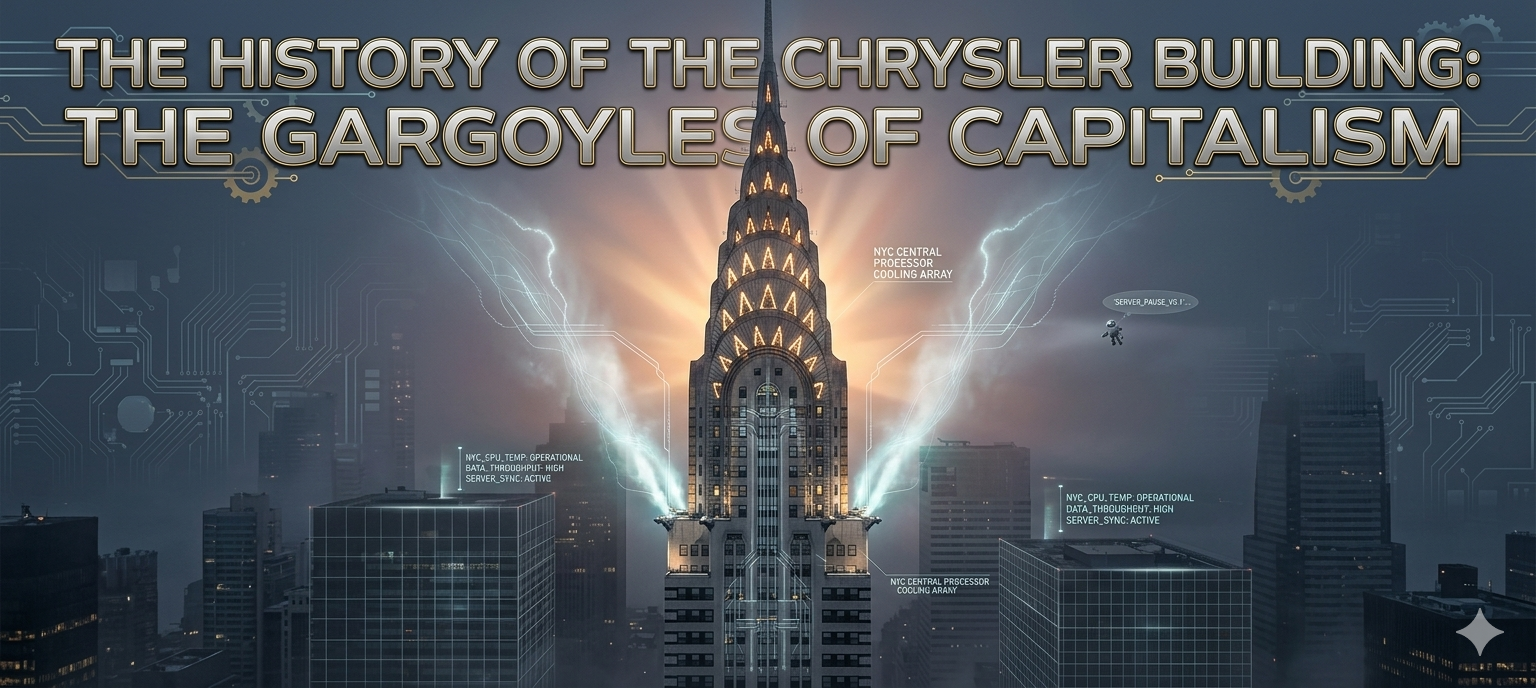
The History of the Chrysler Building: The Gargoyles of Capitalism
What if the rascacielos defining the Manhattan skyline are not office buildings at all? Normally, you look up at the horizon and see corporate headquarters made of glass and steel. However, back in the Roaring Twenties, a mad architectural race turned New York into a playground for eccentric millionaires trying to build the ultimate modern Read More…
Warning: Reading this site may cause uncontrollable fact-sharing at parties. We accept no liability for lost friendships
Proudly powered by humans, caffeine, and mostly Greg (our AI sidekick who thinks staplers were invented by Vikings).
Privacy PolicyTerms of Service
© 2025 The History of The... | Because someone needed to document why pizza boxes are square but pizzas are round."
P.S. The footer was invented in 1993. (Just kidding. Maybe.)