
Many myths around the number 13 have shaped human history for centuries. These fascinating stories appear in everything from ancient religious dinners to modern skyscraper architecture. Whether you are walking through Washington D.C. or a small village in Europe, the fear of this single digit remains. This specific phobia is called triskaidekaphobia. In addition, it is a cultural “glitch” that influences how we build our cities and how we book our flights today.
The Historical Origins of Myths Around the Number 13
To understand these myths around the number 13, we must first look at the number 12. Most civilizations consider 12 a “perfect” number. For example, we use 12 months in a year and 12 zodiac signs. Even our clocks use 12 hours to complete a cycle. Therefore, the number 13 represents chaos because it breaks this established harmony.
Humans naturally love order and symmetry. This psychological need is very similar to the debate in Why Pizza Boxes Are Square but Pizzas Are Round. In the same way, our traditions often ignore pure logic. We prefer what feels familiar over what is mathematically simple. Consequently, the number 13 became the “awkward guest” of the numerical world.
Ancient Religious Roots and Myths Around the Number 13
The most common myths around the number 13 involve a dinner guest list. Historically, having 13 people at a table was a bad omen. This belief stems from two major cultural pillars.
First, consider Norse mythology. Twelve gods enjoyed a peaceful feast in Valhalla. However, Loki arrived as the 13th guest and caused total chaos. This led to the death of Balder, the god of joy. Second, we have the Last Supper. Judas Iscariot was the 13th person to sit at the table. Since then, people associate the number 13 with betrayal and tragedy.
These patterns of behavior persist regardless of our modern technology. It is very similar to the History of the Toothbrush. We change our physical tools, but our basic fears stay the same over time.
Apollo 13: When Science and Legends Collide
Even NASA felt the impact of myths around the number 13. The Apollo 13 mission is the most famous modern example. The mission launched at 13:13 military time. Furthermore, an oxygen tank exploded on April 13th. Engineers at the National Institute of Standards and Technology (NIST) found technical failures in the tanks. Nevertheless, the public saw it as proof of an ancient curse.
Our brains naturally find patterns in bad luck. This is a biological trait called patternicity. We explore this in our post about Why Do Some People See Faces in Everyday Objects? The Brain’s Pareidolia. Essentially, our minds find threats in simple numbers or shadows to keep us alert.
The Secret Symbols of Washington D.C.
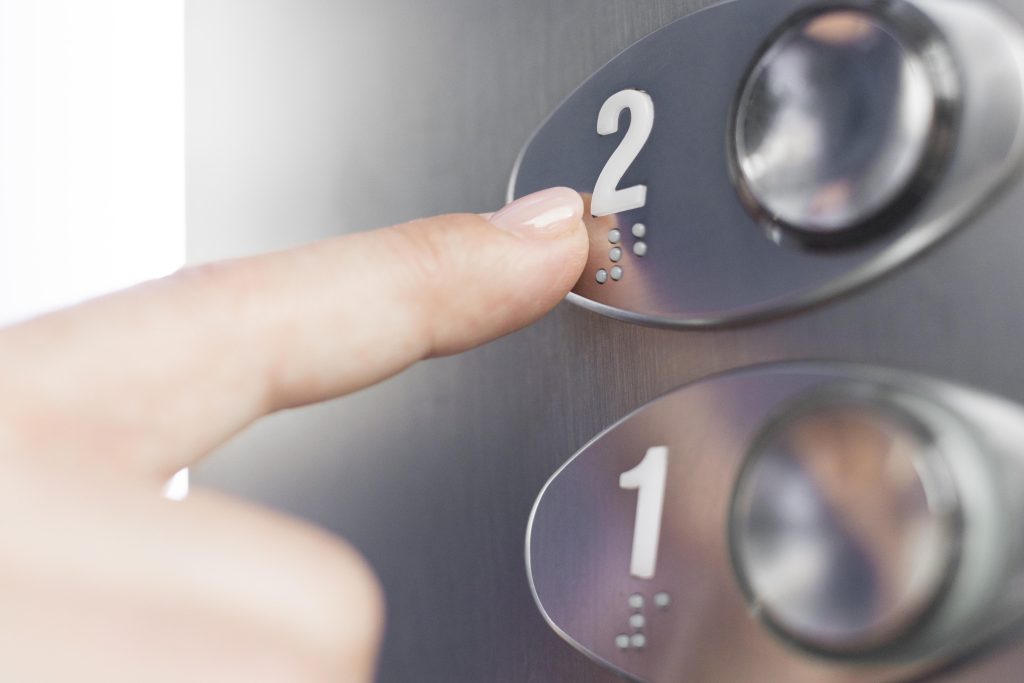
Interestingly, the founders in Washington did not fear this digit at all. The Great Seal of the United States features the number 13 many times. It has 13 stars, 13 arrows, and 13 stripes. Originally, this symbolized the 13 colonies and their unity. However, today, many luxury hotels in the city still skip the 13th floor to please superstitious guests.
This shift in meaning is fascinating. It is similar to the History of High Heels: Power, Fashion, and a Surprising Past. In short, a symbol of status or power can turn into a symbol of fear over the centuries.
Habit and the Economy of Fear
Finally, the myths around the number 13 have a real price tag. Experts estimate that businesses lose millions of dollars every Friday the 13th. People refuse to fly or sign contracts on that day. We live in the age of the History of the Credit Card, yet we let ancient fears dictate our financial decisions.
We stick to these myths for the same reason we don’t change our keyboards. As we explain in Why We Can’t Return to Keyboards Alphabetical Order, once a system becomes a habit, it is almost impossible to delete. In conclusion, the number 13 is just a number, but our stories have made it a legend.