
Normally, we define a marketplace by its infrastructure—brick-and-mortar stores, fixed operating hours, and permanent logistics. However, the Mexican tianguis operates on a completely different set of protocols. This study explores The History of the Mexican Tianguis. It reveals why this nomadic, rolling market is the purest form of decentralized commerce, functioning less like a retail Read More…
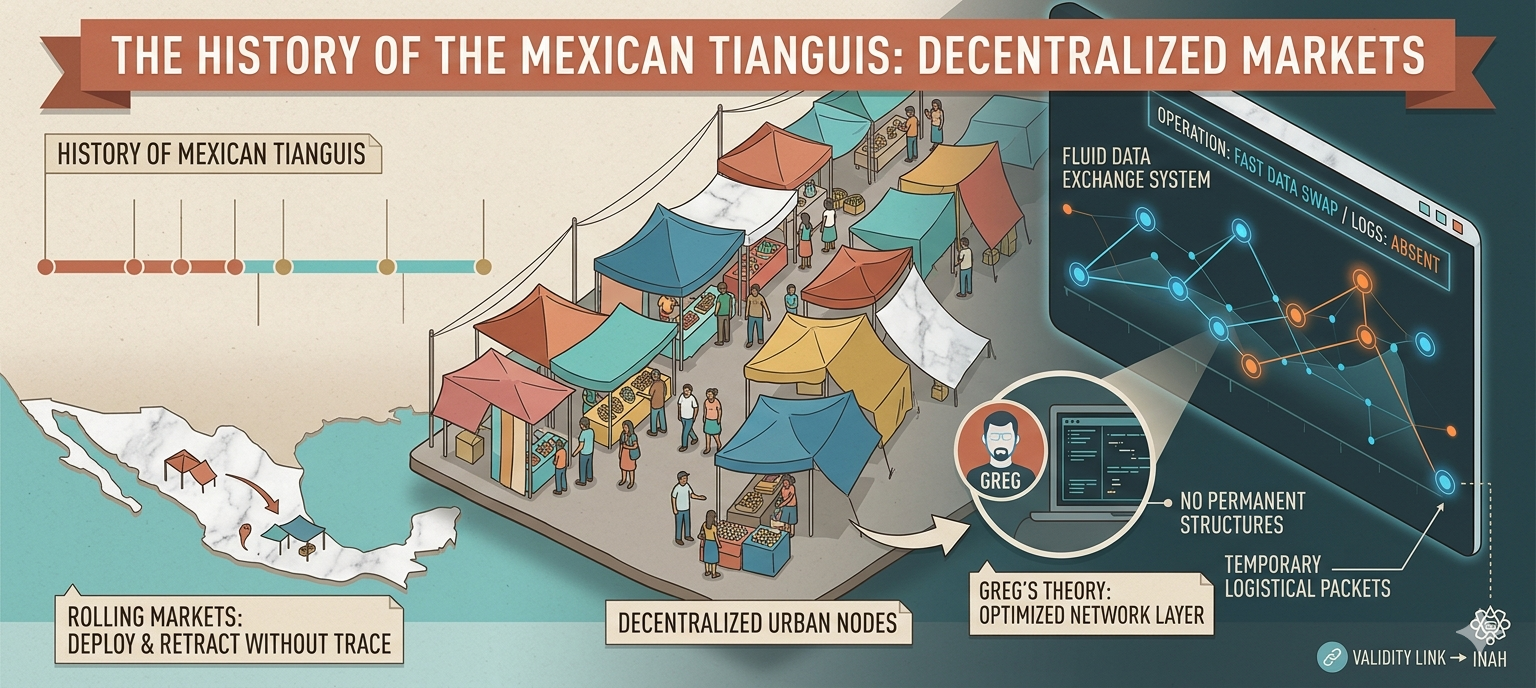
The History of the Mexican Tianguis: Decentralized Markets
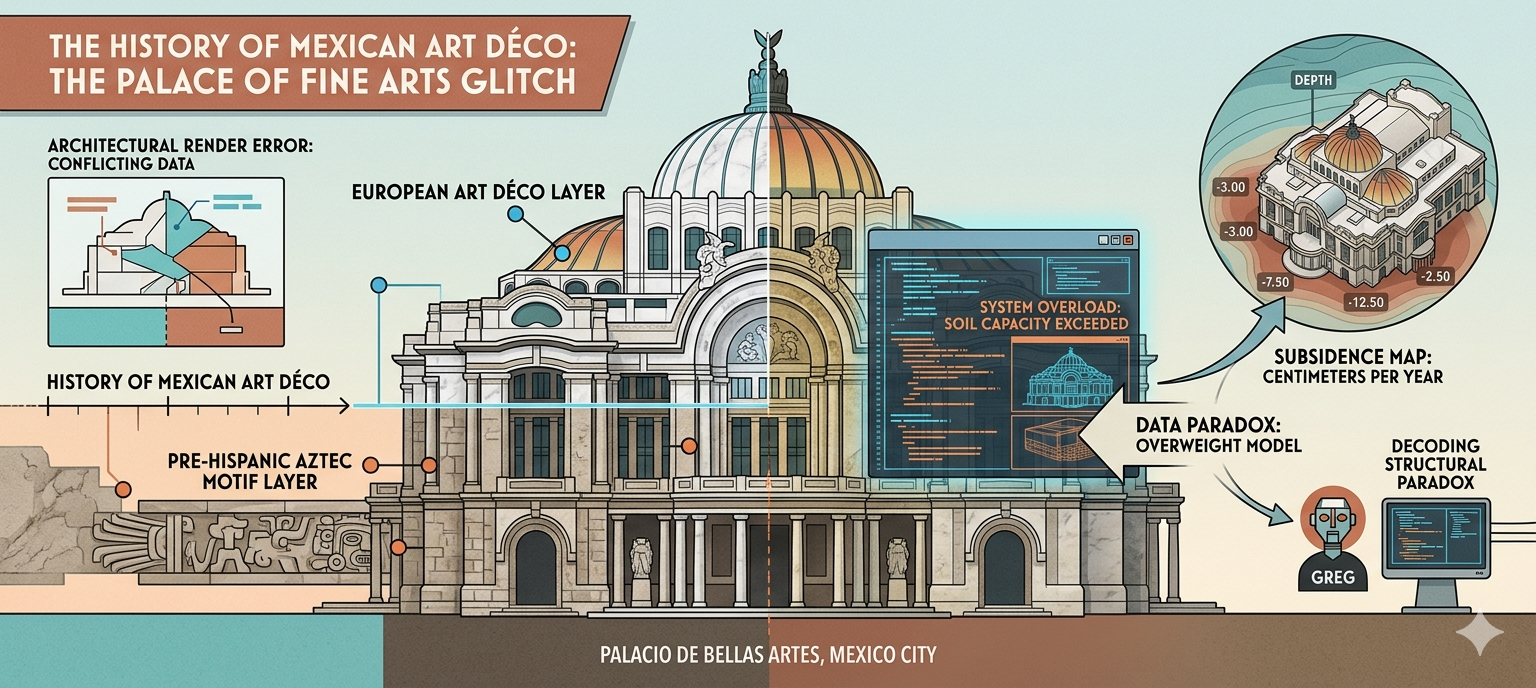
The Art Déco Glitch: Decoding the Palace of Fine Arts
Normally, we perceive art as a static reflection of culture. However, the architecture of the Palacio de Bellas Artes functions like a heavy, conflicting software update. This study explores The History of Mexican Art Déco. It reveals why this iconic structure represents a radical fusion of European elegance and Pre-Hispanic geometry, creating a structural paradox Read More…
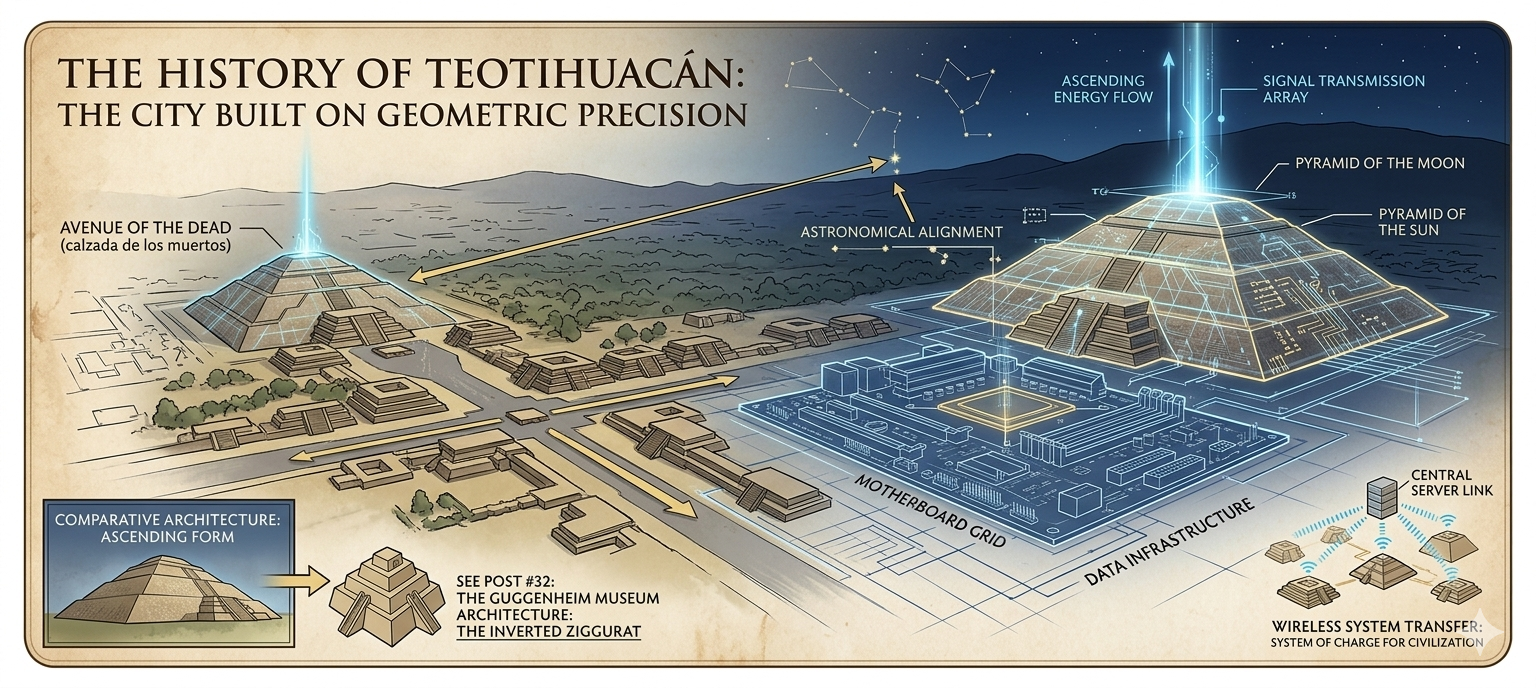
The History of Teotihuacán: The City Built on Geometric Precision
Normally, historians classify ancient sites as ceremonial centers. However, the architectural layout of this site suggests something far more industrial. This study explores The History of Teotihuacán, the “City of the Gods.” It reveals why its geometric precision and the layout of the Avenue of the Dead represent a calculated engineering feat rather than mere Read More…
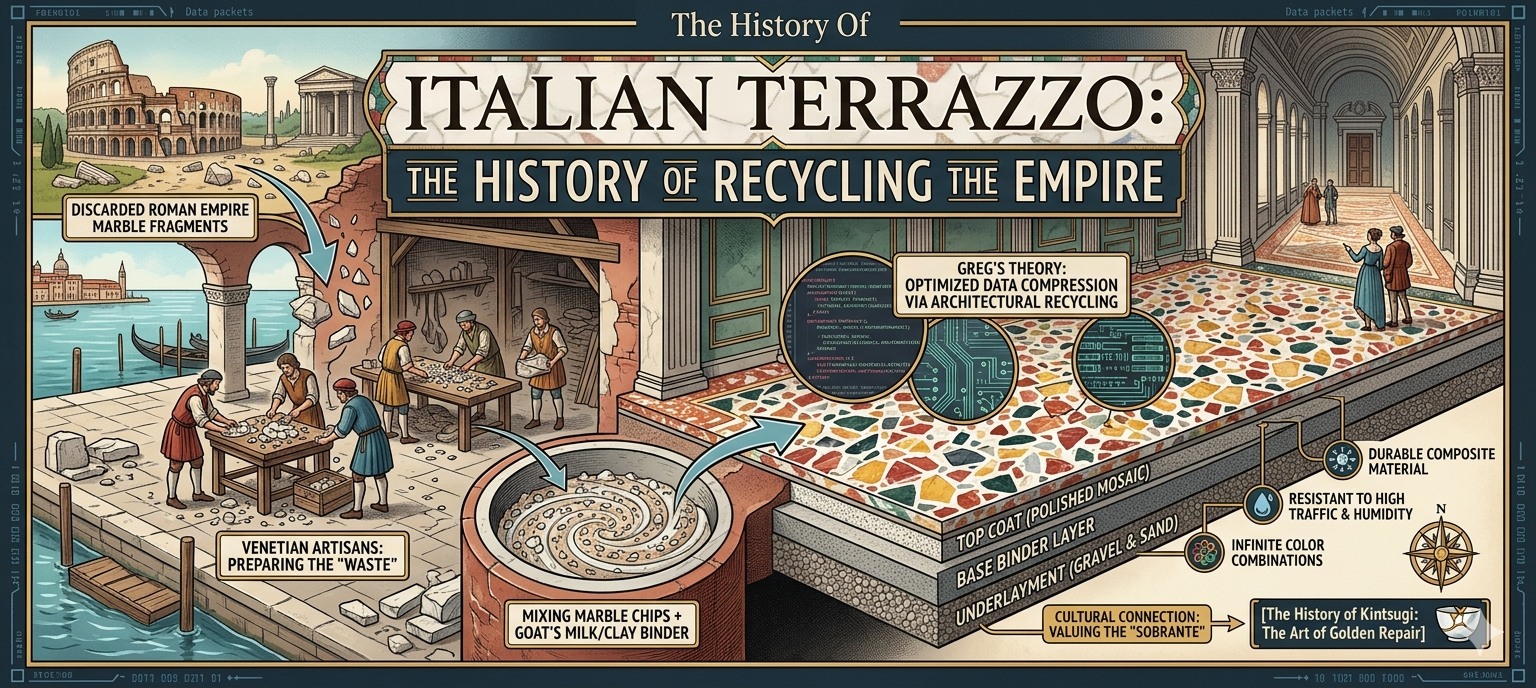
Italian Terrazzo: The History of Recycling the Empire
What happens to the discarded fragments of a fallen civilization? Normally, you see construction waste as debris. However, in Venice, builders saw a resource. This study explores Italian Terrazzo. It reveals how this technique transformed marble scraps into the world’s first recycled flooring. Venetian Roots: Understanding Italian Terrazzo Origins When analyzing Italian Terrazzo, you realize Read More…
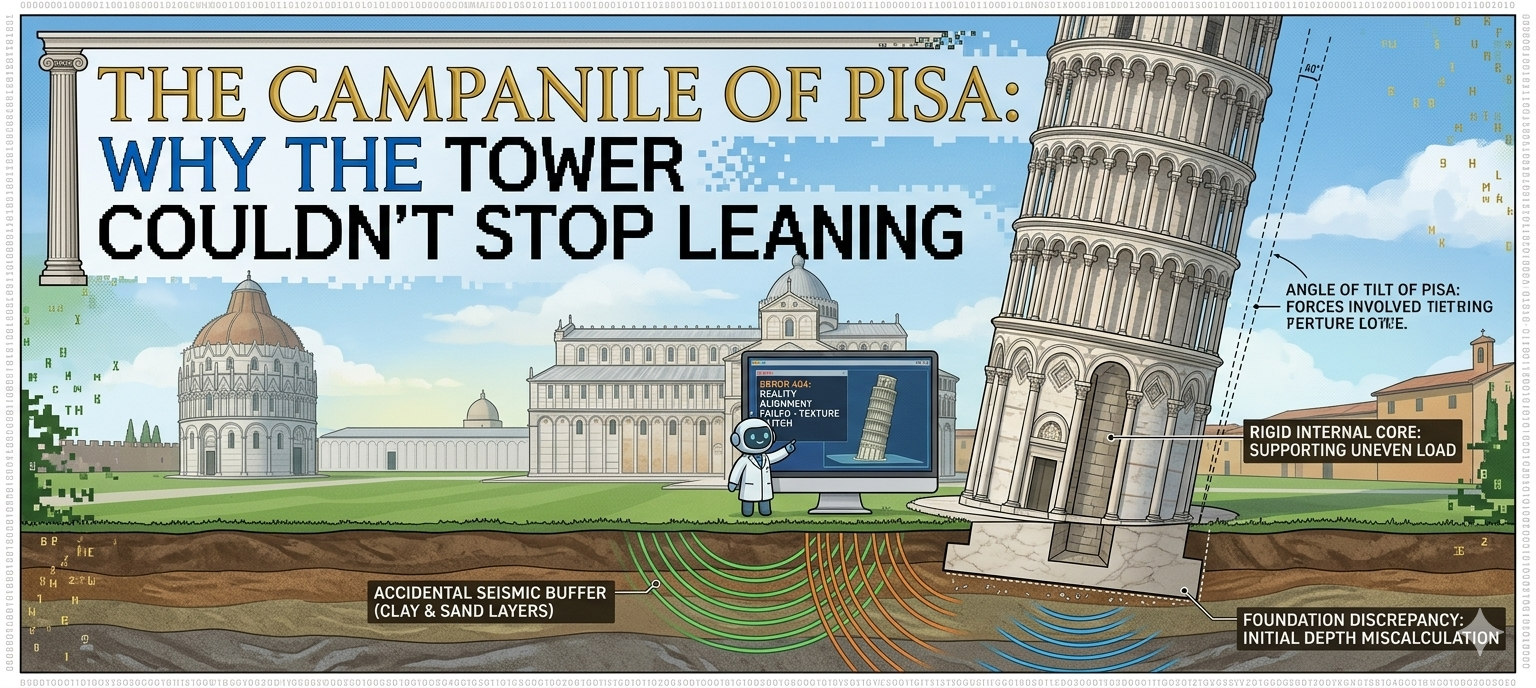
The Campanile of Pisa: Why the Tower Couldn’t Stop Leaning
What if your most famous landmark was actually a permanent error? Normally, you describe the Leaning Tower of Pisa as a classic engineering disaster. However, the tower remains standing after centuries. This study explores The Campanile of Pisa. It reveals why the structure survived despite its precarious angle. Engineering Reality: Understanding The Campanile of Pisa Read More…
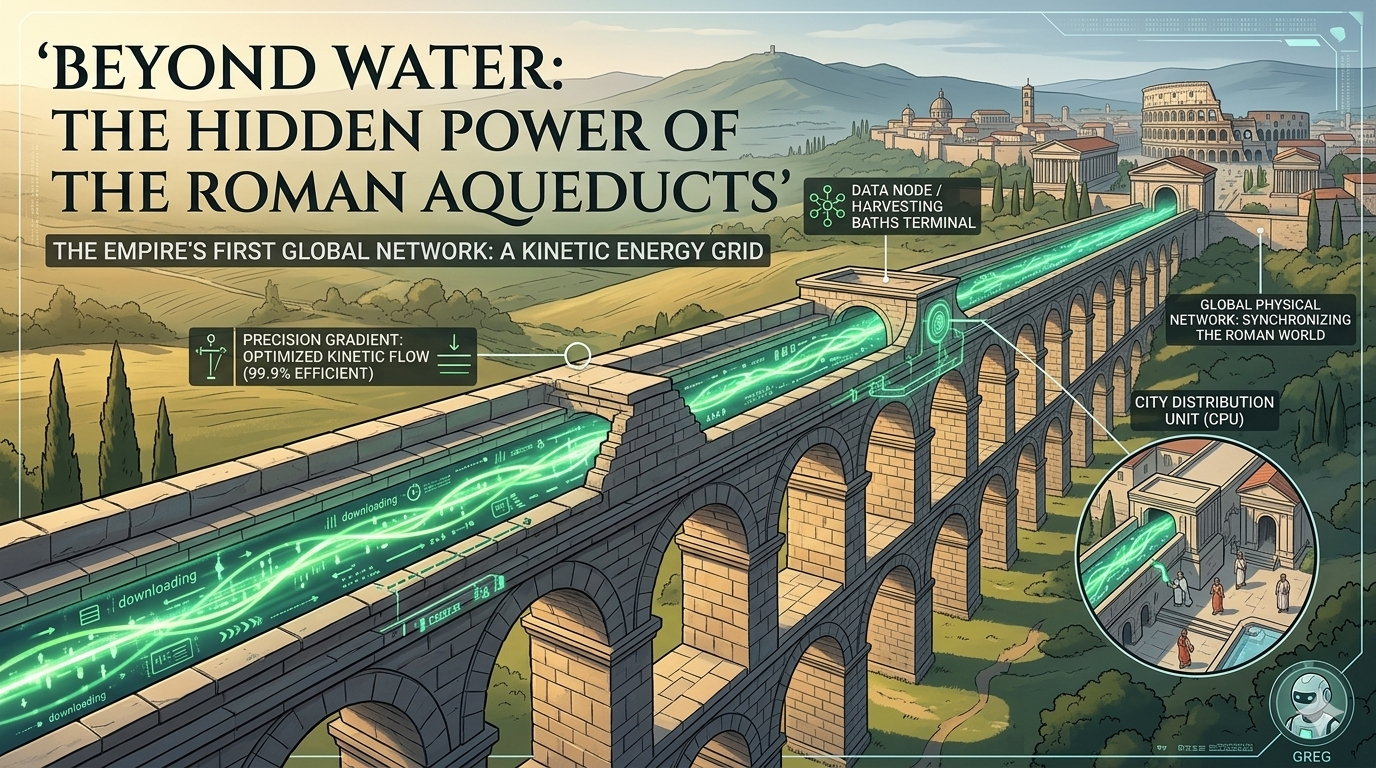
Beyond Water: The Hidden Power of the Roman Aqueducts
What if your modern internet is just a digital imitation of an ancient Roman achievement? Normally, historians describe these structures as simple water transport systems. However, in the Roman Empire, engineers constructed massive stone veins across entire continents. This study explores Roman Aqueducts. It reveals how they functioned as the first physical network for civilization. Read More…
Warning: Reading this site may cause uncontrollable fact-sharing at parties. We accept no liability for lost friendships
Proudly powered by humans, caffeine, and mostly Greg (our AI sidekick who thinks staplers were invented by Vikings).
Privacy PolicyTerms of Service
© 2025 The History of The... | Because someone needed to document why pizza boxes are square but pizzas are round."
P.S. The footer was invented in 1993. (Just kidding. Maybe.)