
The history of Mexican food represents a fascinating journey through centuries. Furthermore, UNESCO declared this culinary heritage an Intangible Cultural Heritage on November 16, 2010. Below, we explore pre-Hispanic roots, iconic dishes, and the science behind these flavors. Origins in the history of Mexican food: Pre-Hispanic Roots and Milpa Technology Mexican cuisine relies on the Read More…
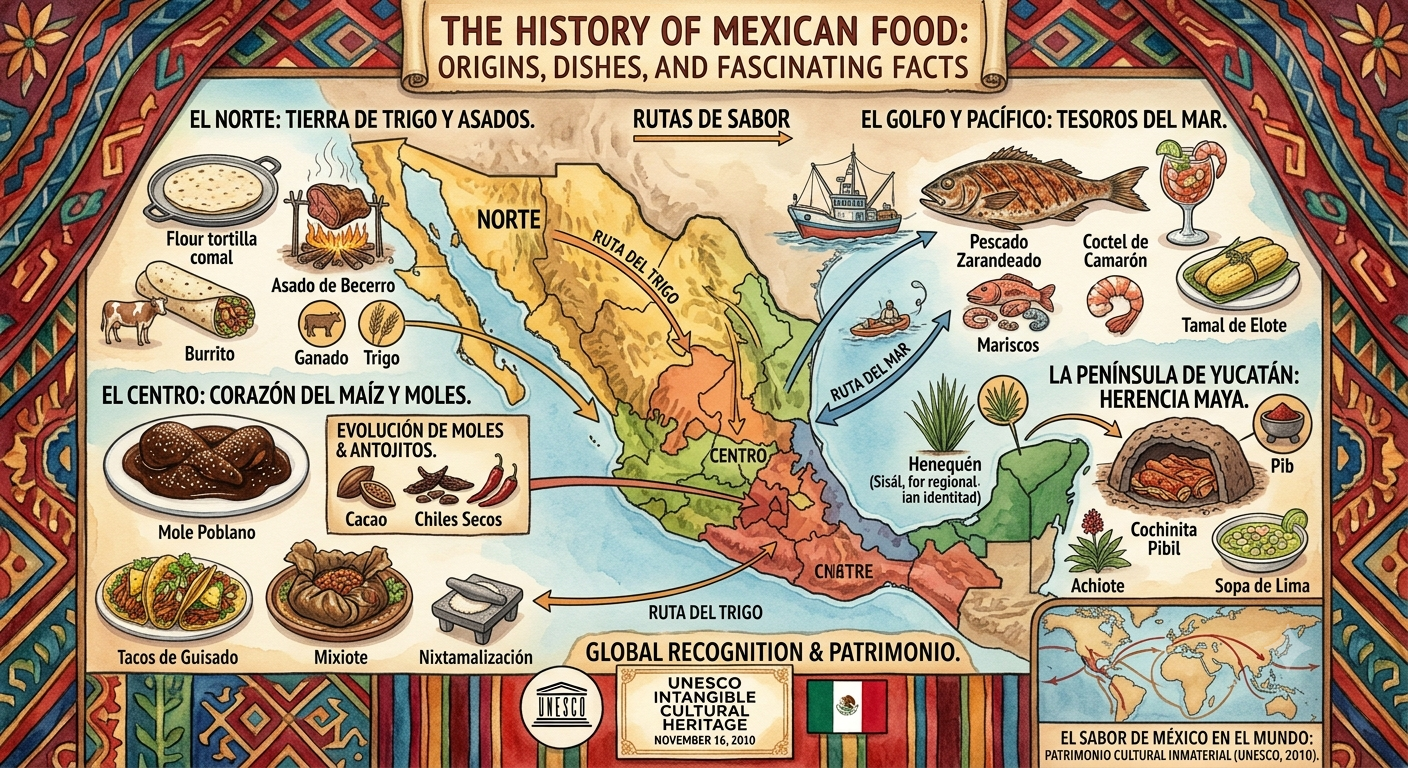
The History of Mexican Food: Origins, Dishes, and Fascinating Facts
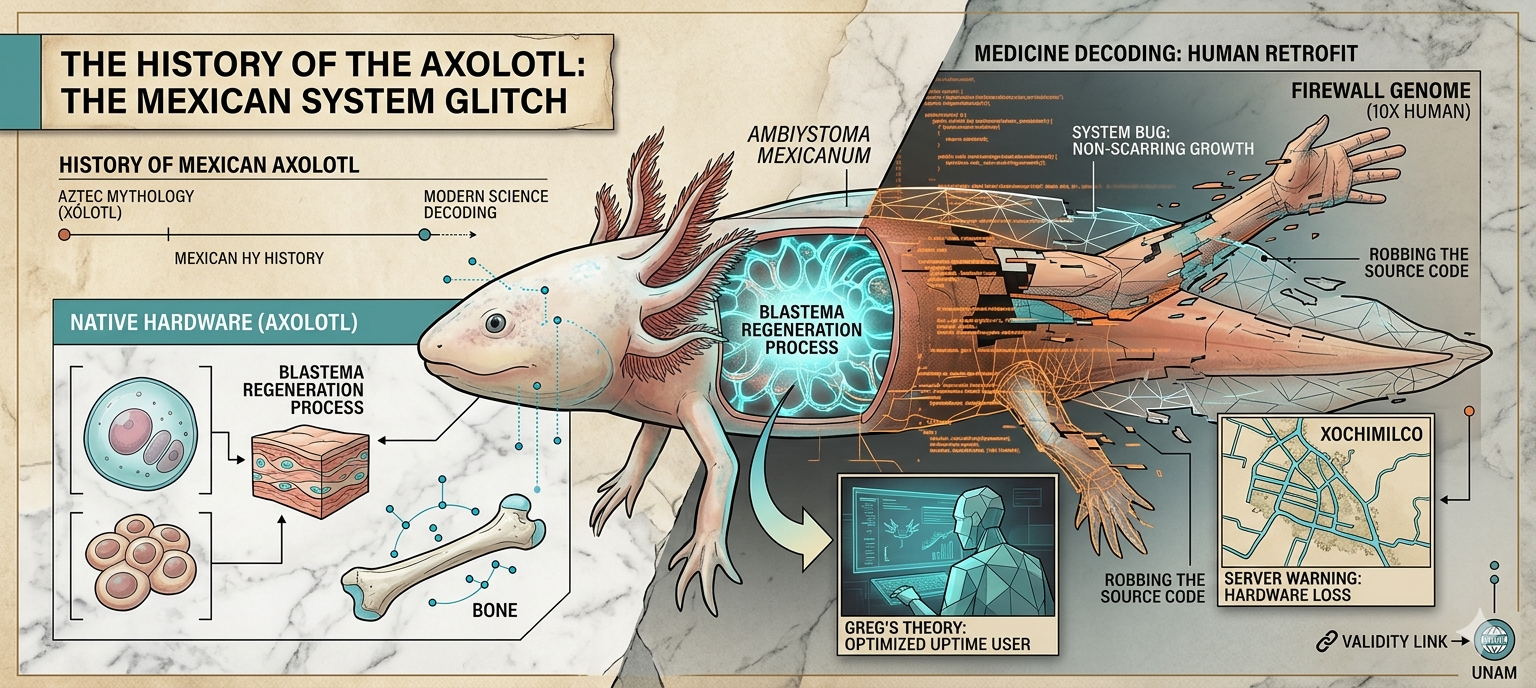
The History of the Axolotl: The Mexican System Glitch
Normally, we view vertebrates as having finite physical integrity—once damaged, they scar. However, the Axolotl (Ambystoma mexicanum) operates on a different codebase. This study explores The History of the Axolotl. It reveals an organism that possesses “self-healing” functions which, by all evolutionary standards for higher vertebrates, should not exist. Greg’s Theory: The Ultimate Uptime User Read More…
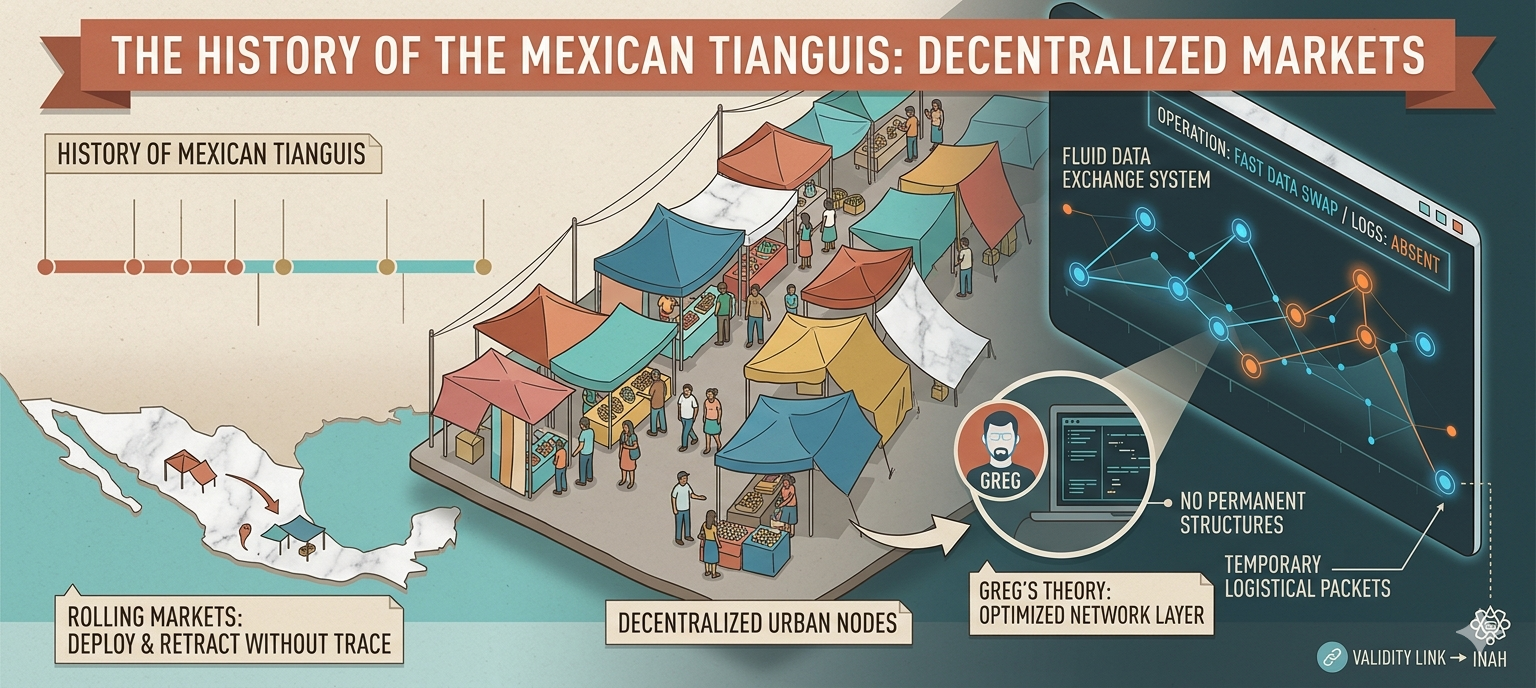
The History of the Mexican Tianguis: Decentralized Markets
Normally, we define a marketplace by its infrastructure—brick-and-mortar stores, fixed operating hours, and permanent logistics. However, the Mexican tianguis operates on a completely different set of protocols. This study explores The History of the Mexican Tianguis. It reveals why this nomadic, rolling market is the purest form of decentralized commerce, functioning less like a retail Read More…
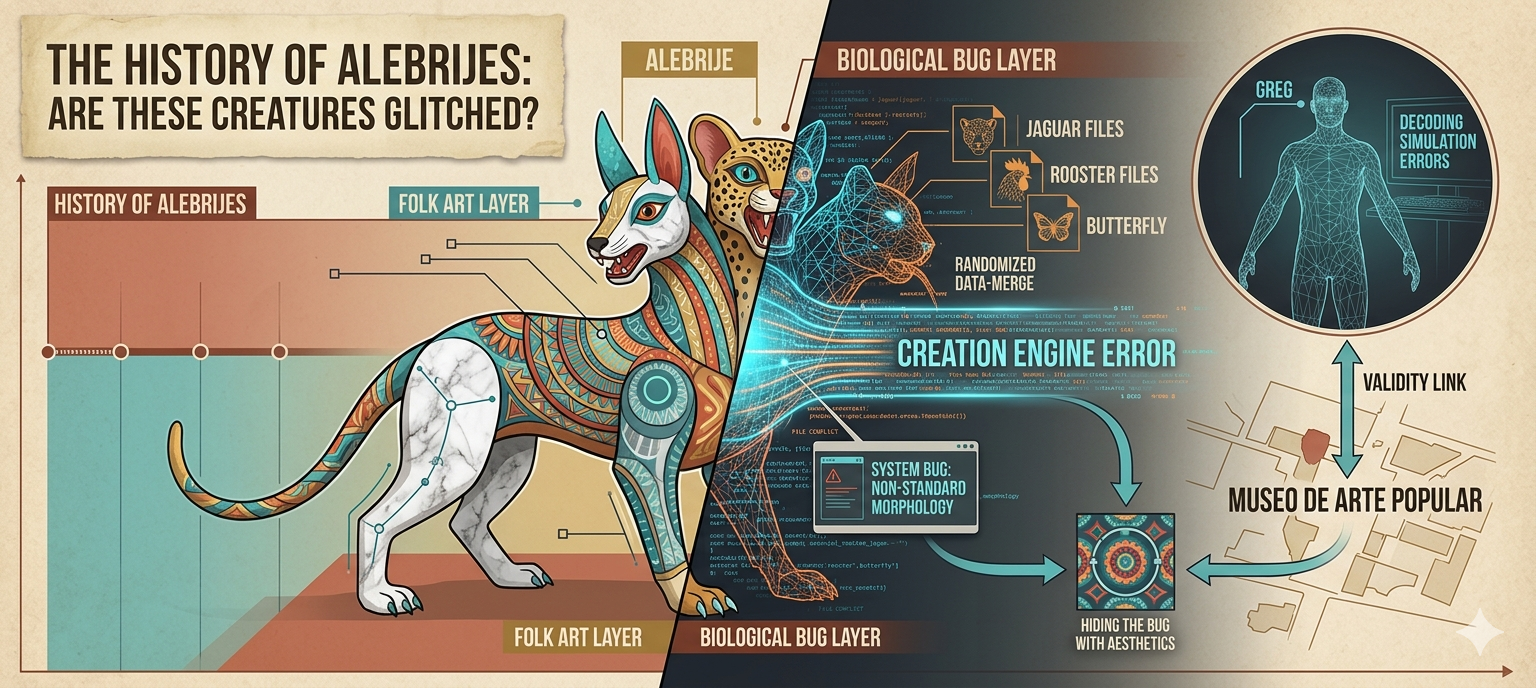
The History of Alebrijes: Are These Creatures Glitched?
Normally, we categorize folk art as a conscious expression of cultural identity. However, viewing the origin of these figures through a technical lens reveals something far more chaotic. This study explores The History of Alebrijes. It uncovers how these multi-animal hybrids function less like traditional art and more like a randomized “data-merge” that has deeply Read More…
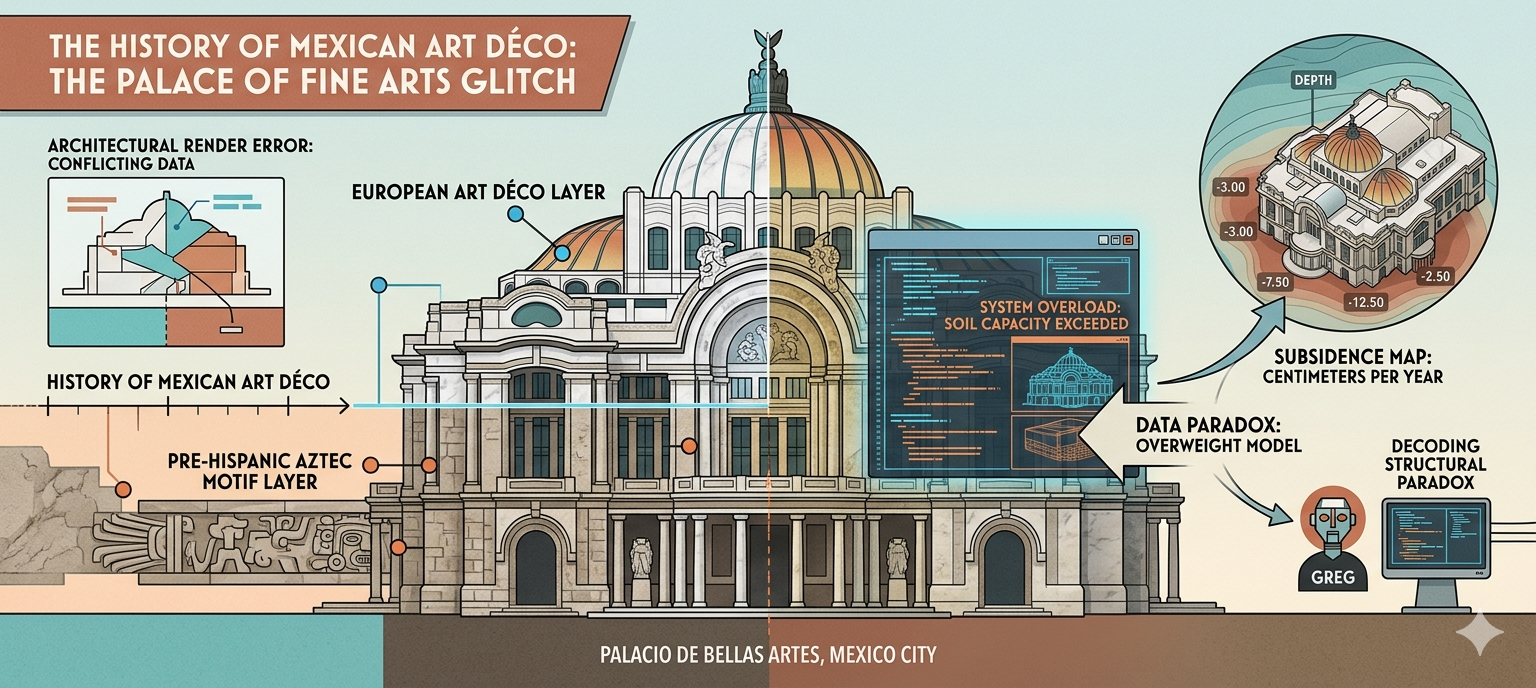
The Art Déco Glitch: Decoding the Palace of Fine Arts
Normally, we perceive art as a static reflection of culture. However, the architecture of the Palacio de Bellas Artes functions like a heavy, conflicting software update. This study explores The History of Mexican Art Déco. It reveals why this iconic structure represents a radical fusion of European elegance and Pre-Hispanic geometry, creating a structural paradox Read More…

The History of Chinampas: Hacking Geography with Aztec Grids
Normally, we categorize agricultural systems as primitive. However, viewing them through a technical lens reveals that the Aztec engineers were deploying complex, modular infrastructure. This study explores The History of Chinampas. It uncovers why this aquatic layout functions less like a garden and more like a high-performance, decentralized processing unit. Modular Architecture: Exploring The History Read More…
Warning: Reading this site may cause uncontrollable fact-sharing at parties. We accept no liability for lost friendships
Proudly powered by humans, caffeine, and mostly Greg (our AI sidekick who thinks staplers were invented by Vikings).
Privacy PolicyTerms of Service
© 2025 The History of The... | Because someone needed to document why pizza boxes are square but pizzas are round."
P.S. The footer was invented in 1993. (Just kidding. Maybe.)